

The arrangement first. The policy second.
Most insurance questions are questions about an arrangement: who owns the boat, who runs it, who pays to be aboard; how each home is used; who drives what. We start there.

What happens, in order.
- 01
A conversation.
You describe what you own, how it is used and what is changing. No documents yet.
- 02
We map the arrangement.
Owners, operators, drivers, entities, occupancy, contracts. For a charter: who selects, pays and can dismiss the captain.
- 03
We explain the options.
Valuation, limits, deductibles, exclusions and conditions, side by side, in plain language.
- 04
We place it.
The arrangement is presented accurately to insurers that write this kind of risk. Cover exists when the insurer confirms it in writing.
- 05
We stay on it.
At renewal, and when one of the moments below arrives, the review runs again.
A conversation is not an application, and it does not put insurance in place.
Our job, and whose job the rest is.
An adviser who claims to settle every question is overreaching. Here is where our role ends.
| Question | Who decides | What Rise does |
|---|---|---|
| Will my policy cover the way I use it? | The insurer, through the wording and endorsements. | Reads the wording with you. |
| Is my charter a genuine bareboat arrangement? | Federal guidance, Florida rules and, for the contract, a maritime attorney. | Asks who controls the vessel and who selects, pays and can dismiss the captain, so you know when to take it to counsel. Bareboat Charter |
| What is the boat worth, and in what condition? | A marine surveyor reports; the value is agreed with the insurer. | Explains agreed value against actual cash value, and what the survey is for. Hull Coverage |
| Which entity should own the boat or the house? | Your attorney and CPA. | Asks how each asset is titled, so the policy names the real owners. |
| Which option, which limits? | You. | Lays out the trade-offs. |
What we will not do.
Each of these can be tested in the first conversation.
- Tell you that you are covered for everything. We show what the policy says, including what it leaves out.
- Promise savings, or quote before we understand the arrangement.
- Present a legal minimum as enough protection.
- Suggest relabelling guests as crew, or leaving a regular driver off a policy.
The moments a policy stops matching.
A policy is written on a snapshot. When the snapshot changes, the policy can still be in force and no longer fit. The usual moments: a closing on a boat, home or vehicle; a renewal or non-renewal; a change in use, such as a boat starting paid trips, a home rented or left empty, a new driver or hire.
Some take planning: flood cover can carry a waiting period, and builders risk may end at completion or occupancy, before permanent cover begins.
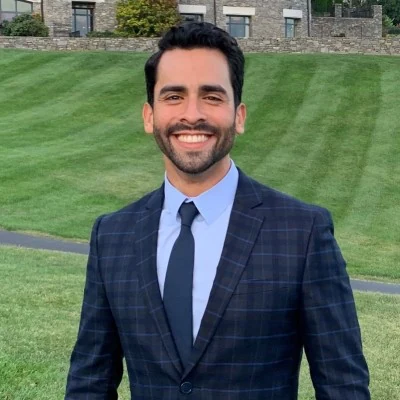
Speak with Roberto.
Roberto Guerrero · President and Principal Agent · Licensed agent